Warning: Array to string conversion in /data/e/0/e0f3f3e6-71ba-433b-8f8b-7d7be930c2c2/savosolar.com/web/wp-content/plugins/elementor/core/dynamic-tags/manager.php on line 66
Mikkeli - Savosolar

District heating

Mikkeli

Largest solar thermal plant in Finland

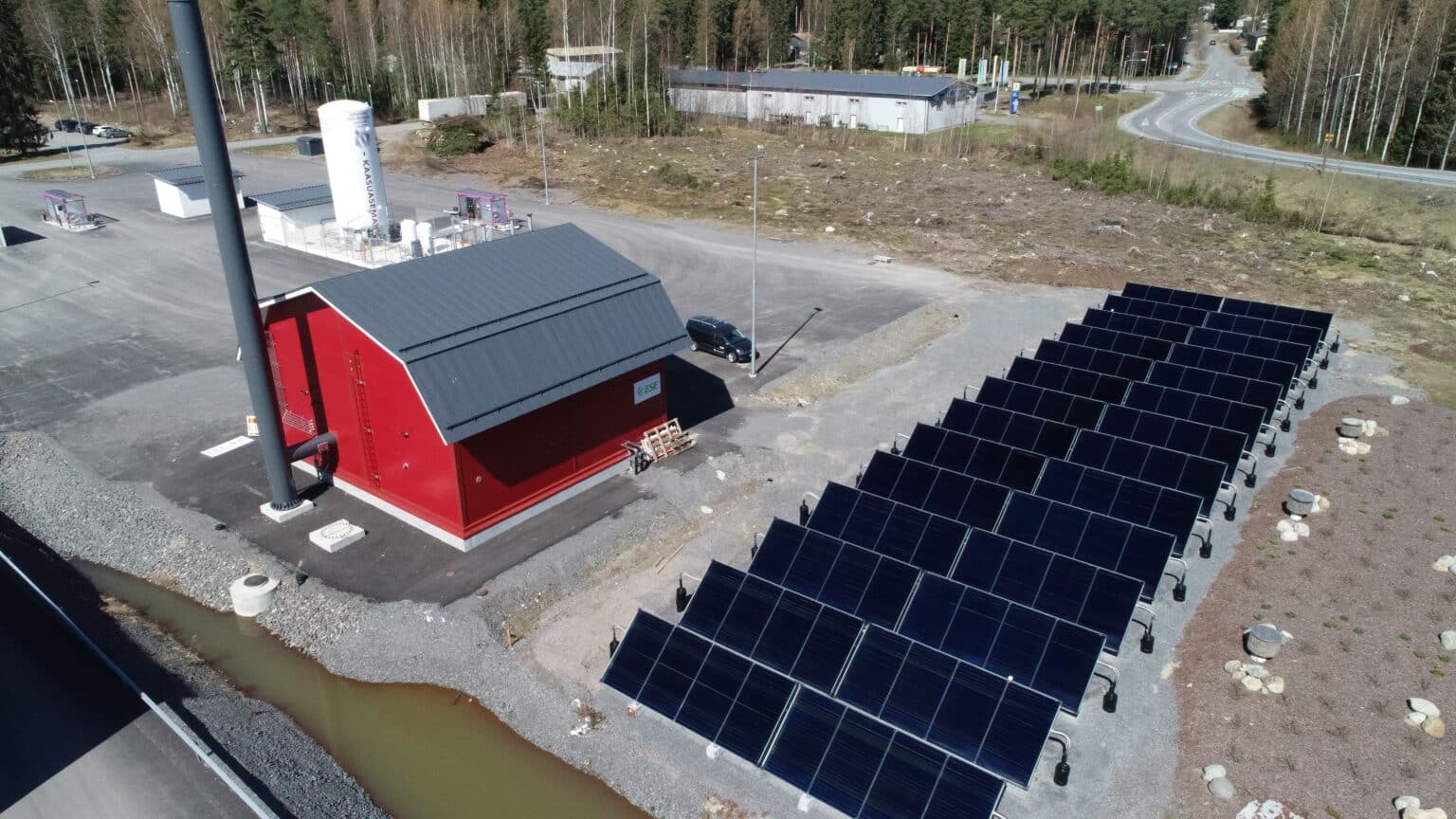
Savosolar has been selected as general contractor to build the largest solar thermal system in Finland to date, on behalf of Etelä Savon Energia Oy for its district heating network, which supplies households with healthy heating. The plant operate as an additional peak load sources during summer season while the main boilers are out of service.

Location

Finland

Construction status

Finished

Installation year

2023

Solution type

District heating

Number of collectors

28

Collector Area

447 m2
, gross

Collector Type

Savo 16 S

Power

300 kW

Energy production

180
MWh/a

Creutzwald

The size of the solar heating system is over 5,600 m2, it generates over 2 600 MWh of clean energy annually, and is the fourth project of Savosolar for the French market. Savosolar has delivered the largest part of the whole solar thermal plant including the solar collector field, piping, design and delivery of heat exchange station and automation. LFDE subsidiary own and operate the solar heating system and sell heat to ENES Creutzwald, the energy service company of Creutzwald’s municipality, owner of the district heating network.

La Française de l’Énergie (LFDE) is listed on Euronext and leader in low carbon footprint energy production. LFDE produces gas, green electricity and heat in Northern France, Eastern France and in Benelux. Since 2019, LFDE develops photovoltaic and solar thermal projects on the areas where they operate, to reduce the carbon footprint of the final consumers. Through this first solar thermal project, LFDE reaffirms its commitment to the environment by developing renewable energy projects, prioritizing environmental benefits and reducing energy costs.

Jelling Varmeværk

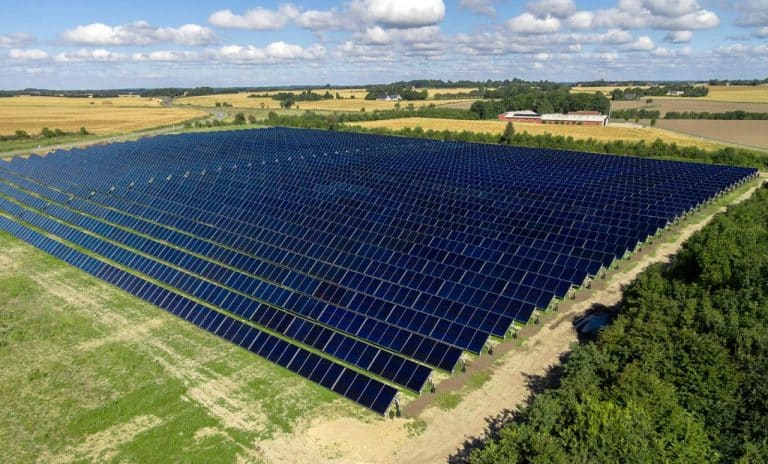
Jelling Varmeværk is a Danish district heating plant in the historical village of Jelling, which is the former home of the Viking Chief Harald Bluetooth. Apart from the 20,125 m² collector field, Jelling Varmeværk produces its energy from a 1 MW wood chip boiler, a 1.5 MW absorption heat pump and 2 gas CHP engines with a total capacity of 8 MW heat and 6 MW electricity.

The first solar system was commissioned in summer 2016 and during its first week of operation, the collector field set a new Danish record by producing nearly 5 kWh/m² in a day.

The collector field in Jelling has double stanchions which allows for two collector rows to connect to one and the same pipe and thereby save costs and thermal losses. The annual solar thermal production is about 11,200 MWh, which covers over 25% of the town’s energy need for heating.

In 2018, Jelling Varmeværk placed a second order with Savosolar for the 4,836 m² extension of the successfully running existing collector field. The extension will be installed in first half of 2019 and it will further grow the fraction of district heating produced with solar energy.

“We chose Savosolar as our collector supplier due to their high efficiency in combination with their innovative solutions. They enable us to have an environmentally friendly, stable and low price for heating over the next 20 years. Collectors have integrated hose connections which means that they disturb the landscape as little as possible in an historic village of Jelling. The collectors can also follow the curvature of the landscape which means that we didn’t have to level out the ground of the field.”

Bjarne Nielsen
Plant Manager, Jelling Varmeværk district heating plant

Onnelanpolku

Onnelanpolku nursing home, which was built in 2013, is a so-called near zero energy building. To achieve this classification, the building needs to be well insulated and some of the consumed energy needs to be produced locally. A hybrid heating system for DHW and space heating was realized with the combination of solar thermal collectors and district heating.

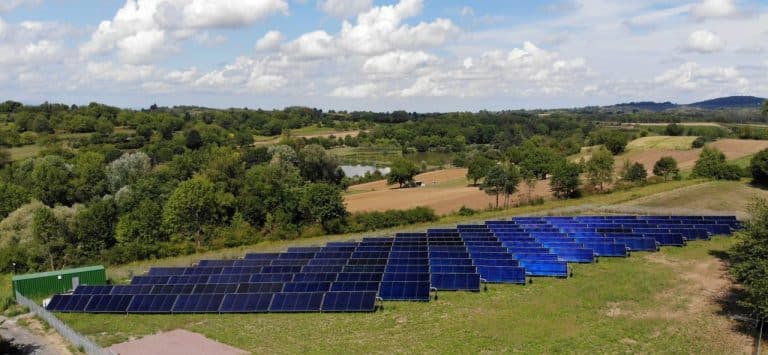
Savosolar delivered 240 m² of collector area, which is used to cover 20–30% of the total thermal energy need of the building.